What is pharming?
Pharming is a type of online scam which steals internet users’ personal information via malicious emails or DNS poisoning. Pharming is less common than phishing since it requires more skilled hacking methods. The following is often said about pharming: “While phishing uses bait, pharming is like using a net.” This is because pharming can steal information from a large number of internet users without requiring any conscious action from the user such as opening any emails and filling out any forms. Because of this, pharming is generally considered a more malicious process than phishing.
Who are the victims?People with social media pages, bank accounts, and any financial information online is at risk.How does pharming happen?There are two types of pharming.One type is a process which installs malware on the computers of internet users who simply open a fraudulent email claiming to be sent by the person’s financial institution. The malware then installs codes which direct users to fake financial institution websites where they are tricked into entering their personal information which is then stolen and saved into a database. This is different than phishing since victims are not required to fill out a form sent via email or instant messaging. The second is a process of a more malicious nature called DNS poisoning. In this process, DNS (Domain Name System) servers are hijacked by hackers and made to direct internet users to a fake financial institution website. Pharming websites can also install a type of spyware called keyloggers, which track the keystrokes of users and lead to more personal information being stolen. This type is more malicious because the process does not require users to open any emails. How can we prevent pharming?
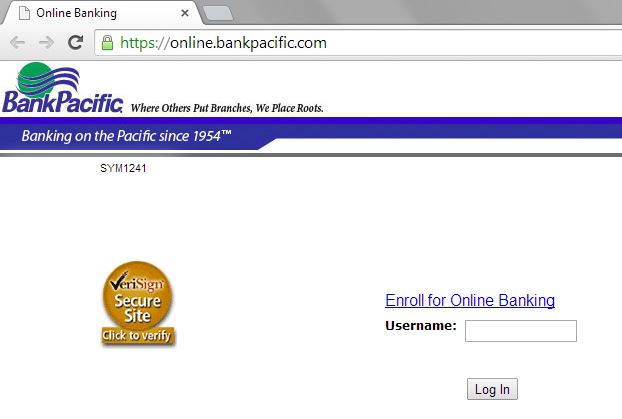
 Recent pharming attack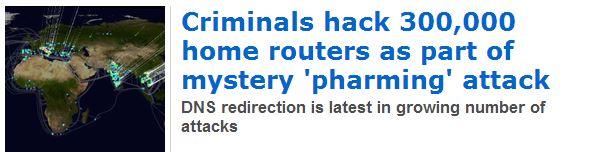 http://news.techworld.com/security/3505049/criminals-hack-300000-home-routers-as-part-of-mystery-pharming-attack/ |  Examples of pharming scamsfake websites 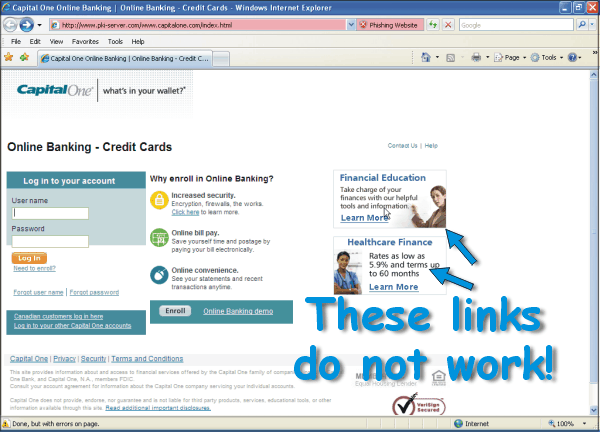 real website with pop-ups 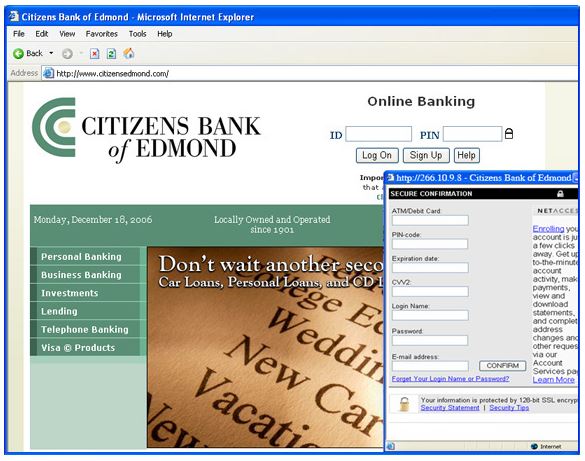 TheHeartbleed Bug  |
Where to report pharmingConsumer Fraud Reportinghttp://www.consumerfraudreporting.org/pharming.phStopFraudhttp://www.stopfraud.gov/protect-identity.html |   |
